

Last Updated: November 17, 2026
Quick Summary
To store pet food correctly, keep dry kibble in a cool, dry place away from direct light, off the floor, and sealed in a food-grade container once the bag no longer reseals. Refrigerate wet food in a covered container after opening. Write the open date on every bag so you can use the oldest food first.
- Keep dry food away from heat, direct light, and humid spots like garages or sheds.
- Move kibble from the original bag into a sealed food-grade container once the seal stops closing firmly.
- Aim to finish an opened bag within about four to six weeks, sooner in warm, humid conditions.
- Empty, wipe and refill containers rather than topping up, so older food does not sit at the bottom.
- Refrigerate opened wet food in a covered container and use it within the time on the label.
Table of Contents
- Why Pet Food Storage Matters More Than Most Owners Think
- Step-by-Step: How to Store Dry Dog Food
- How to Store Wet Dog Food After Opening
- How Long Does Dry Dog Food Last After Opening?
- Best Pet Food Storage Containers and What to Look For
- Spotting Spoiled Food and Storing Raw Food Safely
- Setting Up a Storage Routine for Your Home
- Frequently Asked Questions
The fastest way to waste good food is to store pet food badly. Dry kibble can lose its freshness and appeal within weeks of being opened if it sits in the wrong place. A survey of dog and cat owners found that 45.1% commonly keep pet food in the kitchen, and 94.5% said they keep it out of direct light (A Survey among Dog and Cat Owners on Pet Food Storage, 2021).
Why Pet Food Storage Matters More Than Most Owners Think
Pet food is a perishable product, and storage is where most of its quality is lost after purchase.
The same survey found that 23.6% of kibble feeders said their food might be exposed to high temperatures (A Survey among Dog and Cat Owners on Pet Food Storage, 2021).
Good storage protects your pet's health and your budget at the same time. It also keeps the food the same from one meal to the next, which helps with appetite.
Step-by-Step: How to Store Dry Dog Food
Follow these steps each time you open a new bag:
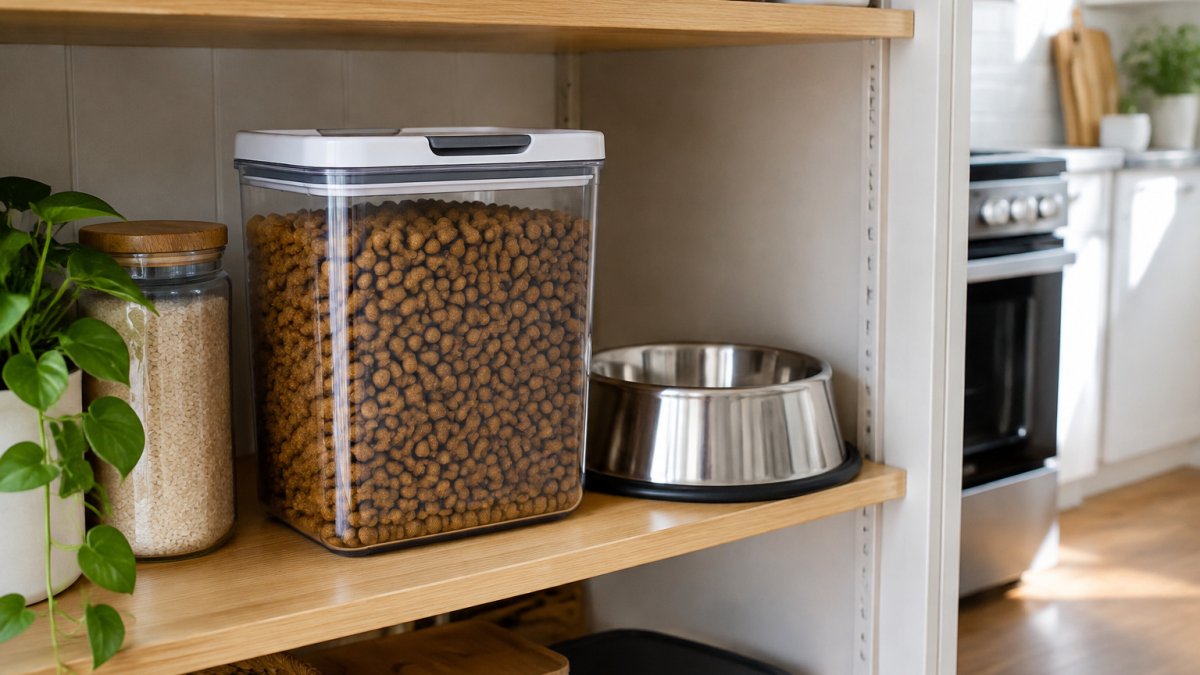
- Check the bag for tears or damp spots before you store it.
- Keep the food in a cool, dry place away from direct sunlight.
- Store the bag off the floor, on a shelf or in a cupboard.
- Move the kibble into a sealed, food-grade container if the bag is not resealable.
- Write the open date on the container or bag.
- Scoop with a dry utensil and close the lid straight away.
- Wipe out the container before topping it up with new food.
Keep Kibble Out of Heat and Direct Light
Heat and light speed up the breakdown of fats in kibble, which makes the food go stale and can cause rancid smells. A pantry shelf in a cool room is ideal. Avoid garages, sheds, car boots and windowsills, which can swing widely in temperature.
Many owners keep food in the kitchen, which makes sense for convenience. Just keep it away from the stove, dishwasher and oven vents, where heat builds up.
Choosing Between the Original Bag and a Container
The original bag is fine for short storage if it has a working reseal. Once the seal stops closing firmly, move the food into a container. A container stops air and pests getting in, and it keeps the kibble fresh for longer.
Here is a quick comparison:
| Option | Best for | Main drawback |
|---|---|---|
| Original bag, resealed | Finishing a bag within a few weeks | Seal can wear out |
| Sealed food-grade container | Long-term storage, pest control | Needs regular cleaning |
| Open bin with no lid | Not recommended | Air, pests and moisture get in |
How to Store Wet Dog Food After Opening
Wet food is far more perishable than dry kibble. Once a can or pouch is opened, it needs to go into the fridge in a covered container. Use it within the time printed on the label.
Remove any uneaten wet food promptly, then wash the bowl. Covered containers in the fridge keep the food safe until the next meal.
How Long Does Dry Dog Food Last After Opening?
Dry dog food is not shelf-stable forever once the bag is opened. The best-before date on the packaging applies to an unopened bag stored correctly. Once air gets in, the clock starts on a much shorter window.
A useful working rule most manufacturers and retailers follow is to finish an opened bag within about four to six weeks, and sooner in warm, humid conditions. If you buy dry food in quantity, you can browse bulk dog food options suited to proper storage. Treat that as a guide, not a guarantee, because the real limit depends on the recipe, the fat content and how well you store it. High-fat kibble oxidises faster than a lean recipe, which is why some bags smell stale well before the printed date.
What Actually Makes Kibble Go Off
Three processes do most of the damage after opening:
- Oxidation. Fats react with oxygen in the air and turn rancid. This is the main reason kibble develops a sharp, paint-like smell. Every time you open the container, you exchange the air inside, so frequent opening shortens shelf life.
- Moisture migration. Kibble is dried to a low moisture level on purpose. Humid air, a damp scoop or a container stored near a kettle or dishwasher lets moisture back in, which softens the kibble and creates conditions for mould.
- Light and heat. Both accelerate oxidation. A clear container on a sunny bench is worse than an opaque one in a cupboard, even if both are sealed.
A Simple Rotation System That Works
Rather than guessing, run a first-in, first-out rotation:
- Write the open date on every bag or container the day you open it.
- Keep only one bag open at a time unless you are transitioning between recipes.
- Finish the open bag before opening the next one.
- If you buy in bulk, store unopened bags sealed in a cool, dry cupboard and open them in date order.
- Do a sniff and squeeze test weekly: fresh kibble should smell mildly savoury and feel dry and firm, not soft or clumpy.
Watch out: if you top up a container with new kibble without emptying it first, older food sits at the bottom and can go stale while you keep adding fresh food on top. Empty, wipe and refill instead.
When to Throw It Out
Discard the food if any of these appear:
- A sour, sharp or rancid smell that was not there when the bag was opened
- Visible mould, slime or condensation inside the container
- Kibble that has gone soft, clumped or changed colour
Buying in bulk only saves money if the food is eaten before it deteriorates. For a closer look at the trade-offs, see our guide on buying pet food in bulk: savings, storage and shelf life.
Best Pet Food Storage Containers and What to Look For
A good container does three jobs: it keeps air out, it keeps pests out, and it is easy enough to clean that you actually clean it. Most containers on the market do one or two of those well. The trick is matching the container to how much your dog eats and how often you refill it.
Size the Container to Your Refill Cycle
A container that is too large is a common mistake. Every time you open a big bin, you exchange a large volume of air, and the food at the bottom can sit for months.
To work out the size you need, estimate your dog's daily intake from the feeding guide on the bag, multiply by the number of days between refills, and add a little headroom so the lid seals without compressing the kibble.
Material Trade-Offs
| Material | Strengths | Watch out for |
|---|---|---|
| Food-grade plastic | Light, cheap, widely available | Can absorb odours over time; check it is BPA-free and genuinely food grade |
| Stainless steel | Does not absorb odours, easy to sanitise, durable | Heavier and more expensive; check the lid seal, not just the body |
| Glass | Does not retain smells, easy to see contents | Breakable and heavy in large sizes |
Avoid anything not labelled food grade, including decorative tins, old ice-cream tubs and buckets that previously held chemicals. A container that is not food grade can leach odours or residues into the kibble.
Features Worth Paying For
- A gasket-sealed lid. A lid that clicks shut is not the same as one with a rubber gasket that actually seals. Gaskets are what keep humid air out.
- A wide opening. You want to scoop without scraping your knuckles, and you want to wipe the interior properly.
- A smooth interior with rounded corners. Square corners trap crumbs and old dust, which is where stale smells start.
Cleaning and Pest Control
Empty and wash the container roughly once a month, or every time you switch to a new bag.
For pests, the container is only half the defence. Keep the bag or container off the floor, store it away from pet doors and open windows, and deal with spills promptly.
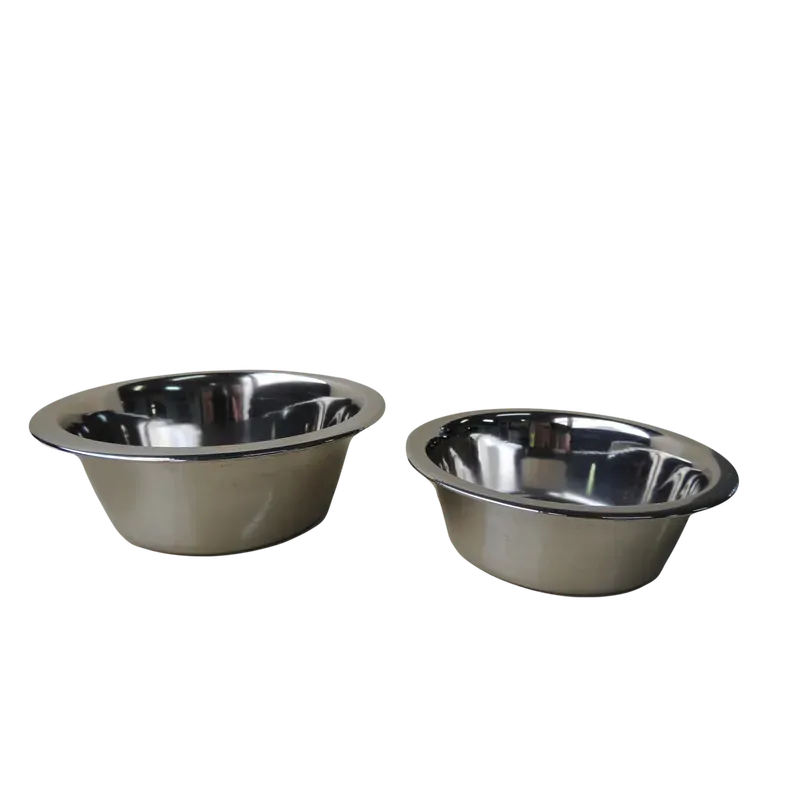
Our Superior Pet Economy Stainless Steel Bowl 4.7L is a useful option for serving food at mealtimes. It holds 4.7 L and measures 29 cm across by 9.5 cm deep.
Spotting Spoiled Food and Storing Raw Food Safely
Spoiled pet food is not always easy to spot. Watch for these signs:
- A sour, sharp or stale smell
- Mould, slime or visible moisture
- Colour changes or clumping
- Your pet refusing the food when it was fine before
If in doubt, throw it out. Pet food costs less than a vet visit.
Raw food needs extra care. Keep it frozen until you need it, thaw it in the fridge and use it within the time on the label. Our guide on signs of low quality pet food every owner should know covers other warning signs to watch for. You can also read our how to verify Australian pet food: a practical guide for checking quality before you buy.
Setting Up a Storage Routine for Your Home
A simple routine stops food from going stale without you thinking about it. Try this:
- Check the open date on each bag when you unpack it
- Restock containers every time you refill them, not when they run empty
- Wipe down the container once a month
- Keep a spare container ready for the next bag
Consistency makes the difference. A little routine each week keeps your pet's food fresh, safe and appealing.
Easy Pets is a family-owned online retailer with over 8,000 products for dogs, cats, horses and farm animals, shipped Australia-wide. Whether you are stocking up on dry food or looking for the right container, our team is here to help. Browse our range and find everything your pet needs to eat well.
Frequently Asked Questions
How should you store dry dog food after opening?
Keep dry dog food in a cool, dry, dark place away from the stove, dishwasher and sunny windows. Many owners leave kibble in the original bag, but the bag is thin and does little to keep out air, moisture and pests once it has been opened. Transferring the food to a sealed, food-grade container with a tight lid helps preserve freshness. Keep the original bag inside the container so the batch number and best-before date remain visible if you need them.
How long does dry dog food last after opening?
Manufacturers usually print an after-opening guidance period on the packaging, and that is the best figure to follow for your specific product. Storage conditions matter a great deal: food kept cool, dry and sealed will hold its quality far better than food left in a warm kitchen with the bag rolled loosely shut. If the kibble smells rancid, looks discoloured or has an unusual texture, discard it even if it is within the printed date.
How should opened wet dog food be stored?
Cover opened wet dog food tightly and refrigerate it promptly, then use it within the period stated on the packaging. Do not leave wet food sitting in a bowl at room temperature for long periods, as it can spoil quickly in warm weather. Keep the lid or container sealed, and avoid spooning food back into the tin with a used utensil, since this introduces bacteria. Wash bowls after each meal.
Is it safe to store pet food in a plastic container?
A food-grade plastic container with a tight-fitting lid is a practical choice for dry pet food, and it is far better than leaving kibble in a torn bag. Choose containers labelled as food safe, clean them regularly, and make sure they are completely dry before refilling. Stainless steel and airtight glass are also suitable alternatives. Avoid containers that previously held chemicals or cleaning products.
