

Last Updated: November 8, 2026
Quick Summary
Signs of low quality pet food show up in your pet first: a dull coat, itchy skin, low energy, unexplained weight changes and digestive problems like vomiting or loose stools. On the label, vague terms such as meat or animal by-products and a missing or vague nutritional adequacy statement are red flags. Front-of-pack words like premium, natural and holistic are marketing terms, not proof of quality.
- Ingredients are listed by weight before processing, and splitting chicken into separate entries can push protein down the list.
- Compare canned and dry food on a dry-matter basis by dividing each nutrient percentage by 100 minus the moisture percentage.
- The nutritional adequacy statement is the single most important line on a pet food label.
- Transition to a new food slowly over about a week, shifting the ratio every couple of days.
- Store kibble in the original bag inside a sealed container so batch and date details stay with the food.
Table of Contents
- Why Low Quality Pet Food Is Hard to Spot
- Signs Dog Food Is Not Meeting Nutritional Needs
- A Practical Pet Food Label Guide
- Nutritional Adequacy and Life Stage Statements
- How to Tell If Kibble Has Gone Bad
- Food Quality Versus Food Safety and Spoilage
- Transitioning Dog Food Safely and Monitoring the Result
- Building a Checklist Before You Add to Cart
- Frequently Asked Questions
Why Low Quality Pet Food Is Hard to Spot
Spotting low quality pet food is difficult because the bag tells you very little on its own. Bright packaging, big health claims and tidy ingredient names are marketing, not proof. Many owners feed a food they assume is good and then wonder why their dog or cat looks flat.
A glossy label and a premium price tag do not guarantee good nutrition.
So how do you judge it? Look at the pet first, then the label, then the storage.
Signs Dog Food Is Not Meeting Nutritional Needs
The clearest signs a dog food is falling short show up in the dog, not the bag. Watch the coat, energy, weight and digestion.
Dull coat, itchy skin and excessive shedding can be signs that a pet's diet is not meeting its needs, though they also have other causes.
Low energy or changes in activity matter too. A dog that used to greet you at the door and now stays on its bed may be telling you something.
Unexplained weight gain or weight loss without a change in feeding can suggest poor digestibility or a mismatch between the food and the dog's needs.
Digestive problems round out the list. Vomiting, diarrhea, loose stools or frequent stomach upset after meals are worth noting; firm, well-formed stools suggest better digestion.
One caution here. These signs are not proof of bad food on their own. They can also point to illness, parasites or a sudden diet change. If symptoms are severe or ongoing, see your vet before blaming the bag.
Coat, Skin and Shedding Changes
Coat condition is one of the most visible signals owners have. A dull coat, brittle hair, itchy skin or heavy shedding often reflects what is, or is not, in the bowl.
If your cat is leaving fur on every surface, a skin and shedding support product can help while you review the diet. Our Vitarapid Skin Shedding Daily Treats For Cats are a simple add-on for coat and shedding concerns. A replenishing conditioner like Paw Nutriderm Replenishing Conditioner For Cats Dogs can also help restore coat and skin condition from the outside.

But treat these as support, not a fix. If the diet is the problem, no treat will solve it.
Energy, Weight and Digestive Warning Signs
Energy and digestion tell you how well a food is actually being used. A dog can eat a full bowl and still run low if the food is hard to digest.
Watch for these patterns:
- Sleeping more than usual, or lagging on walks
- Weight creeping up or dropping with no feeding change
- Vomiting or diarrhea after meals
- Loose, greasy or smelly stools
- Eating grass or scavenging more often
If you see several of these together, look at the diet and the label. Low quality pet food often shows up across more than one area.
A Practical Pet Food Label Guide
A pet food label is your best tool for judging quality, but only if you read the right parts. Most owners read the front.
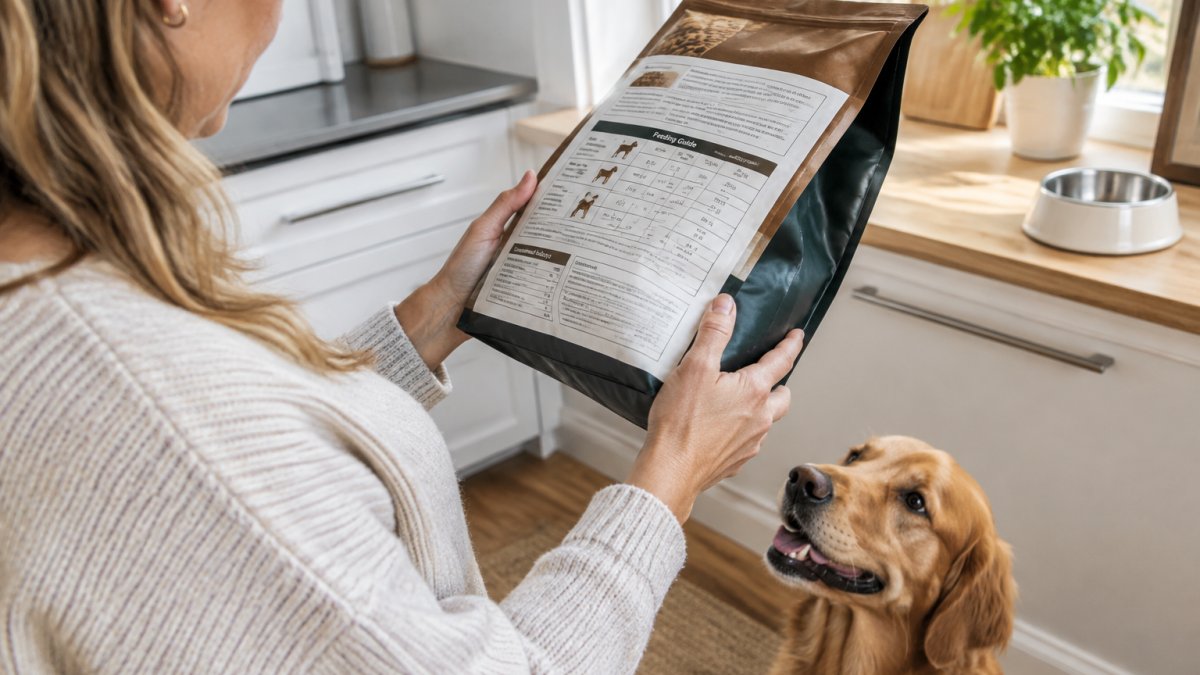
Work through the label in this order, because each panel answers a different question.
1. The product name and description. The name is regulated to some degree, but it is still a marketing surface.
**2. First, ingredients can be split: "chicken", "chicken meal" and "chicken fat" may each appear separately, pushing a single protein source down the list even though the total chicken content is high. Second, "fresh" ingredients carry water weight, so a fresh meat listed first may contribute less protein after cooking than a named meal listed lower down.
3. The guaranteed analysis. This panel gives minimum protein and fat and maximum fibre and moisture. It is a chemical guarantee, not a measure of quality.
4. The nutritional adequacy statement. This line tells you whether the food is complete and balanced for a specific life stage.
5. The feeding guide. Feeding guides are a starting point, not a prescription.
6. Best-before date and batch number. Freshness matters, and a food close to its best-before date is worth checking carefully.
A common mistake is treating front-of-pack claims as facts. Words like "premium", "natural" and "holistic" are marketing terms, not regulated nutrition guarantees.
Watch out: a long ingredient list is not automatically better, and a short one is not automatically worse.
Nutritional Adequacy and Life Stage Statements
The nutritional adequacy statement is the single most important line on a pet food label. It tells you whether the food meets recognised nutrient standards for a specific life stage.
Look for wording like "complete and balanced" alongside a life stage: growth, maintenance, or all life stages. A food labelled for all life stages must meet the higher demands of growing pets, so it is a broader claim than a maintenance-only food.
Why does this matter? A puppy, a pregnant cat and a senior dog have different nutritional needs. Feeding a maintenance food to a growing puppy can leave gaps. Feeding a growth food to a sedentary adult can overshoot.
If the statement is missing or vague, treat that as a red flag.
For cats with sensitive skin and digestion, a diet built for that need can make a real difference. Our Advance Cat Adult Sensitive Skin Digestion Turkey is one example of a diet formulated with those concerns in mind. Check the adequacy statement on any food before you commit.

How to Tell If Kibble Has Gone Bad
Kibble can spoil, and spoiled food mimics the signs of low quality. Knowing the difference saves you from blaming the wrong thing.
Here is how to check:
- Smell it. Fresh kibble smells mild. A sour, musty or sharp smell means it has turned.
- Look at it. Greasy, clumped or discoloured pieces are a bad sign.
- Check the date. Past the best-before date, quality drops.
- Feel it. Soft or damp kibble suggests moisture has got in.
- Watch the pet. If a dog turns its nose up at food it used to eat, the food may have spoiled.
Storage matters as much as the food. Keep kibble in a sealed container, in a cool dry place, and use it within the time frame on the pack. For practical guidance on storage and shelf life, see our guide to buying pet food in bulk.
Watch out: storing kibble in the original bag inside a sealed tub is safer than tipping it loose, because the bag carries the batch and date details you may need later.
Food Quality Versus Food Safety and Spoilage
Food quality and food safety are not the same thing, and mixing them up leads to bad decisions. Quality is about nutrition and how well the food supports the pet.
Safety concerns are acute and often visible quickly.
Quality concerns are subtler and build over time: poor digestibility, weak nutrient levels, vague ingredients, nutrient imbalances and a food that simply does not suit your pet.
Spoilage sits between the two. A spoiled food may be unsafe, but spoilage often starts as a quality problem. Fats oxidise and go rancid, vitamins degrade, and moisture ingress encourages mould. Once the bag is opened, air, light and humidity accelerate decline.
A practical way to separate the checks is to ask two questions. First: could this food make my pet acutely ill? Second: is this food meeting my pet's nutritional needs over time?
Watch out: do not assume a premium price or a "natural" claim guarantees safety or quality. Neither claim is a substitute for reading the adequacy statement and handling the food correctly.
Transitioning Dog Food Safely and Monitoring the Result
Switching foods is where many owners accidentally create the symptoms they were trying to fix. A sudden change can cause vomiting, diarrhea and refusal to eat, which then looks like a bad food.
Transition slowly over about a week. Start with mostly the old food and a small amount of the new, then shift the ratio every couple of days. By the end of the week, the bowl should be all new food.
Watch the result as you go:
- Stool quality should stay firm
- No vomiting or diarrhea
- Appetite stays steady
- Energy and coat improve over weeks, not days
A slow-feeding bowl can help if your dog eats too fast during the switch. Our Lickimat Slomo Wet Dry Double Slow Food Dog Bowl slows the pace of meals, which makes monitoring digestion easier.

If symptoms persist beyond the transition, the food may not suit your pet, or something else may be going on. Give it a fair trial before you judge.
Building a Checklist Before You Add to Cart
A simple checklist beats guesswork. Run through these before you buy, and you will filter out most weak options fast.
| Check | What to Look For | Red Flag |
|---|---|---|
| Ingredient list | Named ingredients like chicken or beef | Vague terms like "meat" |
| Adequacy statement | Complete and balanced, clear life stage | Missing or vague |
| Guaranteed analysis | Protein, fat, fibre stated clearly | No breakdown given |
| Best-before date | Comfortable time left | Close to expiry |
| Packaging condition | Sealed, undamaged | Torn or damp |
| Suitability | Matches your pet's life stage | Wrong life stage |
Use it every time, not just once. Foods change, batches vary, and your pet's needs shift with age.
Easy Pets stocks over 8,000 products from trusted Australian manufacturers and distributors, so you can compare options in one place.
The hardest part is not spotting one bad sign. It is knowing which signs to trust and which to put down to something else. Start with the pet, check the label, store the food well, and transition slowly.
If you want honest product information and a simple way to shop for your whole household, Easy Pets is here to help. Compare foods across species, check life stage statements, and get fast dispatch on trusted brands from one family-run store.
Frequently Asked Questions
What are the signs of low quality pet food?
Watch for vague ingredient names such as 'meat and animal derivatives' rather than named sources, no nutritional adequacy statement, and no life stage on the pack. On the pet side, look for a dull coat, itchy skin, excessive shedding, low energy, unexplained weight changes, loose stools or vomiting. Symptoms alone cannot prove food is the cause, so check the label first and rule out illness with your vet before blaming the diet.
How can you tell if dry pet food has gone bad?
Stale kibble smells rancid or sour rather than savoury, feels soft or clumps together, and may show visible mould or insect activity. Check the best-before date and how the bag has been stored. Once opened, dry food loses freshness within about six weeks, so keep it sealed in a cool, dry place and wash the storage container between refills. Discard any bag that smells off rather than mixing it with fresh food.
Can low quality pet food cause skin or digestive problems?
Poor nutrition can contribute to a dull coat, itchy skin and digestive upset, but these signs also occur with allergies, parasites and illness. There is no single ingredient that is bad for every dog, so avoid blanket rules about grains or by-products. If symptoms persist beyond a couple of weeks, or come with vomiting, diarrhoea or weight loss, speak to your vet before switching foods again.
How do you switch to a better quality food without upsetting your pet?
Transition gradually over seven to ten days, mixing increasing amounts of the new food into the old. Start at roughly a quarter new food and build up every few days. Watch stool quality, appetite and energy, and slow down if digestion slips. Keep notes on the change so you can tell whether the new diet is genuinely helping, and ask your vet first if your pet has an existing health condition.
