

Last Updated: November 27, 2026
Quick Summary
A puppy food transition for a sensitive stomach should run 10 to 14 days or longer, using small ratio jumps and holding at each stage until stool stays firm and appetite is normal. Start at 75% old food and 25% new food, and never move forward on a bad stool day.
- Most puppies with settled stomachs need 7 to 10 days, while sensitive stomachs need 10 to 14 days or longer.
- Keep the total daily ration steady and split it across three or four small meals.
- Weigh both foods separately on a kitchen scale instead of eyeballing scoops.
- If stool softens, repeat the current ratio for two or three more days before advancing.
- Contact your vet if puppy diarrhoea lasts more than 24 hours or comes with blood, vomiting or lethargy.
Table of Contents
- Why a Slow Puppy Food Transition Matters for Sensitive Stomachs
- How Long to Transition Dog Food: Timelines That Actually Work
- Your Gradual Dog Food Transition Chart, Day by Day
- A Sensitive Stomach Schedule: Exact Ratios and Decision Points
- Signs Puppy Food Is Not Agreeing With Them
- Puppy Diarrhoea After Changing Food: What to Do Next
- Puppy-Specific Schedules, Treats and Other Diet Changes
- Choosing a Sensitive Stomach Puppy Food at Easy Pets
- Frequently Asked Questions
Why a Slow Puppy Food Transition Matters for Sensitive Stomachs
A puppy food transition is the staged swap from your puppy's current food to a new one, spread over days or weeks rather than done overnight.
The mechanics are simple. A puppy's gut runs on routine. Swap the food in one go and the bacteria that break down meals have no time to adjust.
A diet change works best when treated like a training plan: small steps, repeated daily, with the pace set by the dog in front of you. Some puppies sail through a food change in a week. Others need three.
Watch out for the most common mistake: buying a new bag and pouring it straight into the bowl. That single shortcut causes most of the stomach upset people blame on the new food itself.
How Long to Transition Dog Food: Timelines That Actually Work
The short answer: most puppies need 7 to 10 days, and sensitive stomachs need 10 to 14 days or longer. There is no single correct number. The right timeline is the one your puppy's stool and appetite can keep up with.
Here is how the timelines compare:
| Puppy's gut | Transition length | Pace |
|---|---|---|
| Settled stomach, no history of upset | 7 days | Standard four-step ratio |
| Occasional loose stool | 10 days | Slower steps, longer holds |
| Known sensitive stomach | 10-14 days | Small ratio jumps, pause if needed |
| Recent illness or medication | 2-3 weeks | Vet-guided, very gradual |
A gradual transition is not about hitting a date. It is about giving the digestive system time to build the right bacteria for the new food. If your puppy is doing well, you can move a little faster. If stool softens, hold at the current ratio for a few extra days before pushing on.
For puppies with a known sensitive stomach, plan for the longer end from day one. It saves you a mid-transition scramble.
Your Gradual Dog Food Transition Chart, Day by Day
A typical gradual transition runs on a 7-day cycle, and you can stretch any stage by two or three days if your puppy needs it.
| Day | Old food | New food |
|---|---|---|
| 1-2 | 75% | 25% |
| 3-4 | 50% | 50% |
| 5-6 | 25% | 75% |
| 7 onward | 0% | 100% |
The ratios only work if the total daily ration stays the same.
Puppies need smaller, more frequent meals than adult dogs, so split the daily ration across three or four meals rather than two. A 200g daily ration becomes roughly 50g per meal across four meals, and you apply the same old-to-new ratio to each meal. This keeps the stomach load small and makes it easier to spot which meal triggered any looseness.
Treat the chart as a decision tree, not a calendar. Before each step up, check three things: stool that holds its shape, normal appetite at the next meal, and no vomiting or wind.
Mixing by volume rather than weight can change the total calories your puppy receives, because the two foods may have different calorie densities per scoop.
Mixing Old and New Food Without Guesswork
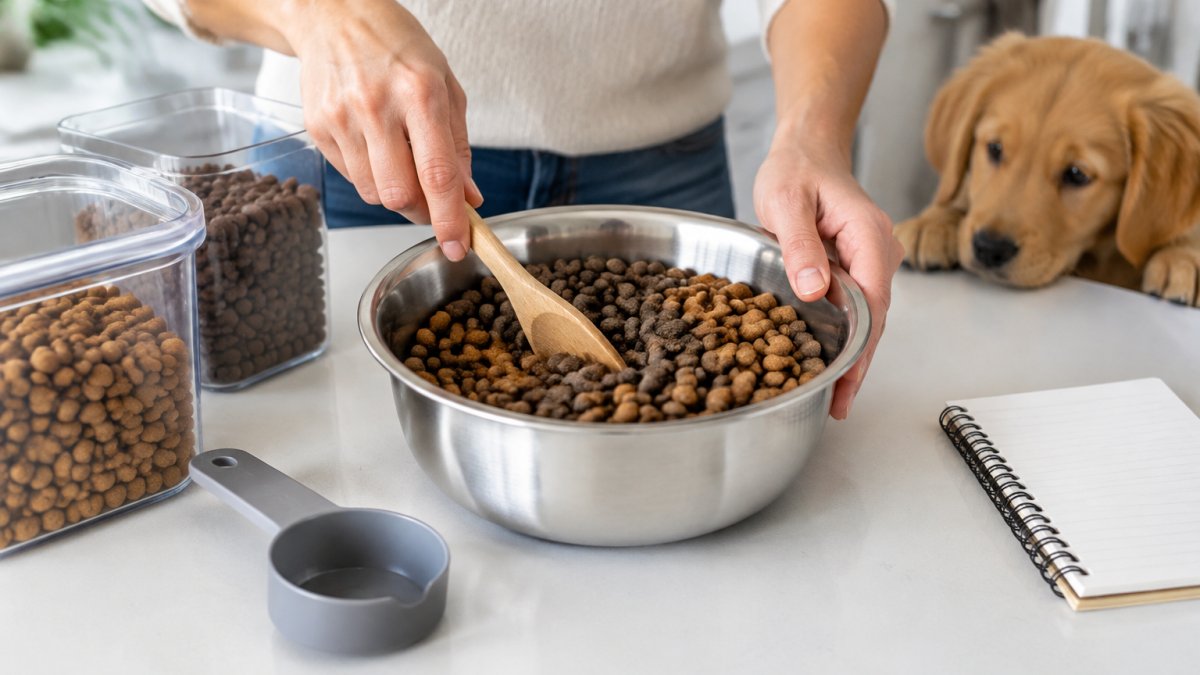
Measure both foods separately, then combine them in the bowl. If your puppy eats 200g a day, day one is 150g old food and 50g new food. Write the numbers on the bag so the whole household feeds the same way.
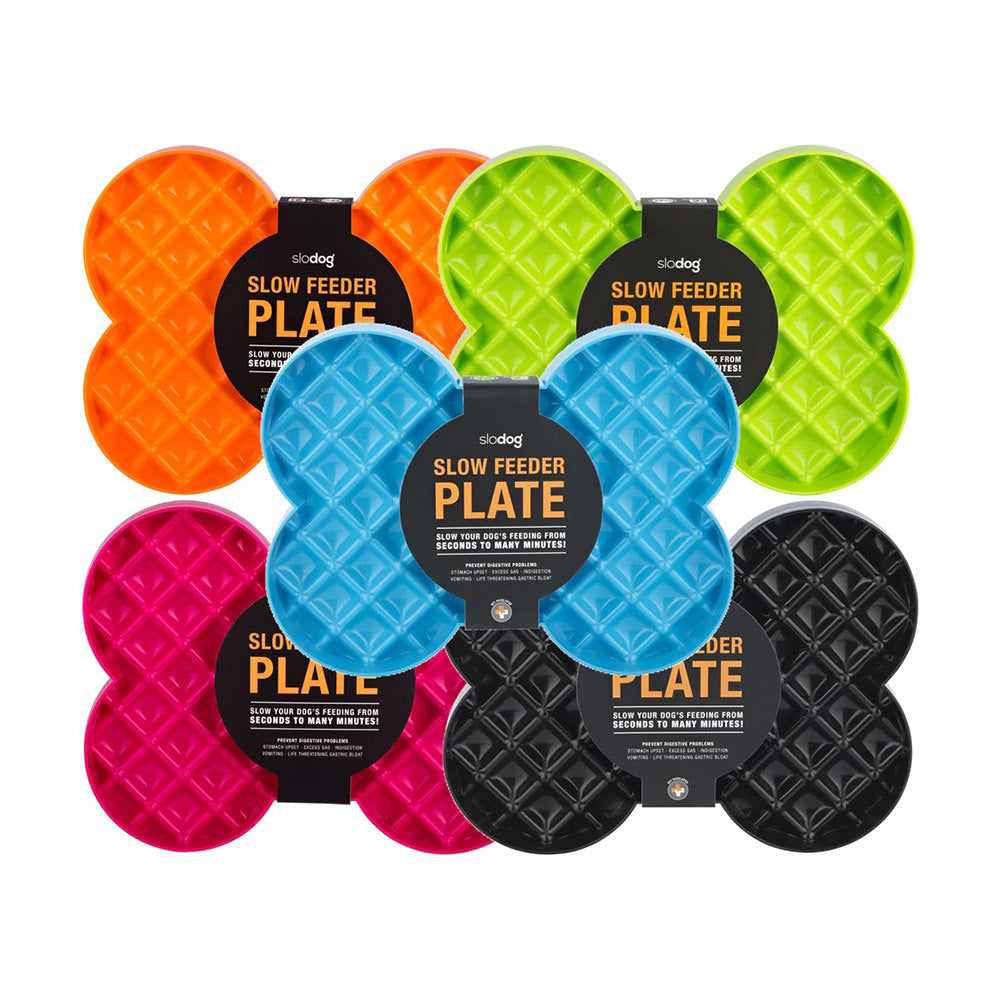
A slow food bowl also helps here. It paces the meal, so your puppy eats the mix more slowly and is less likely to gulp and bring it back up.
A Sensitive Stomach Schedule: Exact Ratios and Decision Points
Sensitive stomachs need smaller jumps and longer holds. This schedule spreads the change over 14 days with four decision points where you check stool and appetite before moving on.
| Stage | Days | Old food | New food | Check before moving on |
|---|---|---|---|---|
| 1 | 1-3 | 75% | 25% | Firm stool, normal appetite |
| 2 | 4-6 | 60% | 40% | No wind or soft stool |
| 3 | 7-9 | 40% | 60% | Stool holds its shape |
| 4 | 10-12 | 20% | 80% | Eating well, no vomiting |
| 5 | 13-14 | 0% | 100% | Settled for 3 days |
If any check fails, hold at the current ratio for two or three more days. Never move forward on a bad stool day. Slowing down costs you a few days; rushing costs you a setback and a restart.
Signs Puppy Food Is Not Agreeing With Them
The signs puppy food is not agreeing usually show up in the stool first, then the appetite. Watch for these signals during any diet change:
- Loose or watery stool that lasts more than a day
- Stool with mucus or a sudden change in colour
- Vomiting more than once
- Going off food or a picky appetite
- Excess wind or a rumbling belly
- Lethargy or a dull coat
Some looseness in the first day or two is normal adjustment. A puppy's digestive system is meeting new ingredients and the gut bacteria are shifting. What matters is the trend. Firming up over a few days is a good sign. Getting worse is your cue to slow down.
The line between normal and warning is worth learning. Normal adjustment is mild and short. Warning signs are persistent, worsening, or paired with other symptoms. Use this split to decide what to do next:
| What you see | Likely meaning | What to do |
|---|---|---|
| Soft stool for 1-2 days, puppy bright and eating | Normal adjustment | Hold the current ratio for 2-3 days, then continue |
| Soft stool beyond 3 days, no other signs | Gut needs more time | Repeat the last firm-stool ratio for 3 days |
| Vomiting once, then settles | Mild upset | Pause the increase, offer small meals, monitor for 24 hours |
| Repeated vomiting, blood in stool, or lethargy | Warning sign | Contact your vet promptly |
| Diarrhoea lasting more than 24 hours in a puppy | Warning sign | Contact your vet promptly |
Puppies dehydrate faster than adult dogs, so the threshold for calling a vet is lower than it is for an adult. If symptoms persist after you have stepped back and held for three days, stop experimenting with the ratio and ask your vet whether the new food is suitable for your puppy at all.
Keeping a simple daily note of stool consistency, appetite and energy can give your vet a clear timeline if you need to call.
Puppy Diarrhoea After Changing Food: What to Do Next
Puppy diarrhoea after changing food is common, and the first move is to pause the transition, not push through it. Drop back to the last ratio that produced firm stool and hold there.
Then work through this checklist:
- Stop increasing the new food for at least 3 days
- Keep fresh water available at all times
- Split meals into smaller, more frequent portions
- Remove treats and chews until stool firms up
- Note the stool consistency each day
- Contact your vet if diarrhoea lasts more than 24 hours in a puppy, or if there is blood, vomiting, or lethargy
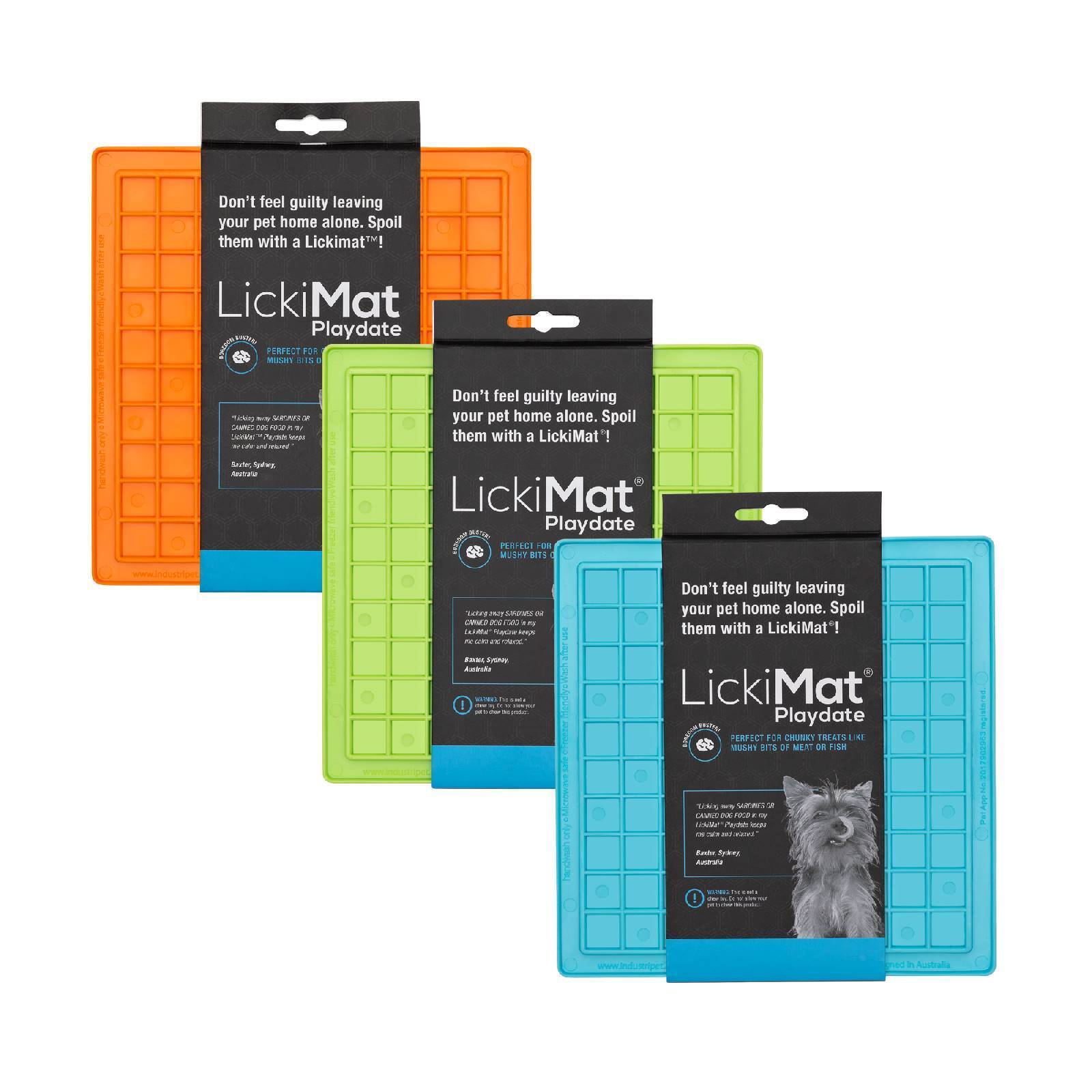
Puppies dehydrate faster than adult dogs, so persistent diarrhoea should be checked by a vet. A slow-feeding licking mat can help pace meals and settle a puppy during recovery.
Once stool is firm for a few days, restart from the last good ratio and move in smaller steps.
Puppy-Specific Schedules, Treats and Other Diet Changes
Puppies differ from adult dogs in one key way: they are growing, so their daily food portion and feeding frequency matter as much as the ratio. Most puppies do better on three or four small meals a day than one large one.
Treats are the hidden variable. A new treat given mid-transition can cause the same upset as a new food, and you will blame the food. Keep treats to the current diet or a single known-safe option until the transition is done.
Other diet changes should wait. If you are also thinking about the move to adult food, our guide to the signs your puppy is ready for adult food covers the timing.
For the broader rules on safe swaps, our article on how to transition pet food without upsetting their stomach goes deeper.
Choosing a Sensitive Stomach Puppy Food at Easy Pets
Choosing a sensitive stomach puppy food comes down to three things: a puppy life stage formula, a recipe built for sensitive digestion, and a bag size that matches your routine. Get those right and the transition has a much better chance of running smoothly.
Easy Pets stocks options that fit each of those needs:
- Pro Plan Puppy Sensitive Skin & Stomach 3kg ($70.95): a dry puppy food from the Sensitive Skin and Stomach range, in a 3kg pack that suits smaller households or a first trial.
- Pro Plan Puppy Sensitive Skin & Stomach 12kg ($226.95): the same sensitive formula in a bulk bag, practical for ongoing feeding.
- Hill's Science Diet Puppy Sensitive Stomach and Skin Salmon and Brown Rice 1.81kg ($54.95): a highly digestible salmon and brown rice recipe with vitamin E and omega 6 for skin and coat, and DHA for brain development.
Pick the smaller bag first. It lets you run the full transition before committing to bulk. As a family-owned Australian retailer, Easy Pets sources from Australian manufacturers and distributors, and handles orders through its dedicated family team.
A slow transition takes patience, and a puppy with a sensitive stomach will test it. Easy Pets makes the food side simpler: we stock puppy formulas built for sensitive digestion, including the Pro Plan Sensitive Skin & Stomach range and Hill's Science Diet Puppy Sensitive Stomach and Skin, with honest product information and fast dispatch.
Frequently Asked Questions
How slowly should I change my puppy's food if they have a sensitive stomach?
Stretch the puppy food transition over 10 to 14 days rather than the standard week. Start with roughly 25% new food to 75% old food for the first three to four days, then move to 50/50, then 75% new to 25% old, holding each stage longer if stools stay soft. Puppies with a history of loose stools may need the full two to three weeks. Keep meal times and feeding frequency unchanged so the only variable is the food itself.
How do I know whether my puppy's new food is upsetting their stomach?
Watch stool consistency, appetite and energy rather than one-off changes. A stool that is slightly softer for a day or two during a food change is common. Warning signs include watery diarrhoea lasting more than 24 hours, vomiting more than once, refusing meals for a full day, or a puppy that seems flat and withdrawn. If you see any of those, stop increasing the new food and speak to your vet.
Should I keep feeding the old food if my puppy has an upset stomach during the switch?
Yes, dropping back is the sensible first move. Return to the last ratio that produced normal stools and hold it for three to four days before trying to increase the new food again. If your puppy has watery diarrhoea, is vomiting, or seems unwell, pause the transition entirely and contact your vet. Puppies dehydrate faster than adult dogs, so symptoms that would be minor in an older dog deserve a call sooner.
Can I switch my puppy's food gradually over two weeks?
A two-week schedule suits most sensitive stomachs and is a reasonable default for any puppy food transition. Divide the change into four stages of three to four days each: 25% new, 50% new, 75% new, then 100% new. Measure portions with a scale or the pack's scoop so the ratios stay accurate, and keep treats consistent so you are not accidentally introducing a second diet change at the same time.
