

Table of Contents
- Quick Comparison Table
- How We Selected the Best Dog Training Treats
- Best Puppy Training Treats: Savourlife Australian Chicken
- High-Value Dog Training Treats: K9 Natural Freeze Dried Venison Liver
- What Treats Do Dog Trainers Use: Meat-Based & Single-Protein Options
- When to Phase Out Treats in Dog Training: Transitioning Beyond Rewards
- Calorie Counts and Daily Treat Limits: Managing Nutrition
- Allergies, Sensitivities and Dietary Restrictions
- Frequently Asked Questions
Last Updated: October 21, 2026
Quick Comparison Table
| Treat | Best For | Pack Size | Price | Key Feature |
|---|---|---|---|---|
| Savourlife Puppy Australian Chicken | Young dogs learning commands | 165g | $16.95 | Made in Australia, profits to rescue |
| K9 Natural Freeze Dried Venison Liver | High-value single-ingredient rewards | 50g | $8.95 | 65% protein, freeze-dried |
| Love Em Liver Training Treats | Frequent training sessions | 200g × 5 | $30.95 | Bulk supply, Australian-made |
| Love Em Kangaroo Training Treats | Novel protein preference | 200g × 5 | $30.95 | Kangaroo flavour, bulk multipack |
| LifeWise Reward Nibbles | Portable, mess-free training | 200g | $28.95 | Dry crunchy format, no pocket mess |
| Black Dog Beef Liver Balls | Small dogs, frequent rewards | 180g | $8.95 | Soft and chewy, high protein |
How We Selected the Best Dog Training Treats
Finding the right dog training treats matters more than most owners realise. The treat you choose directly affects how quickly your dog learns, how motivated they stay during sessions, and whether training becomes a positive experience or a frustrating one.


Our selection process focused on what actually works in real training scenarios: palatability, portion control, ease of carrying, and nutritional value. We prioritised treats that trainers and behaviourists recommend, then matched them against practical criteria like calorie density, ingredient quality, and value for money.
The treats we've highlighted here represent the strongest options across different training contexts. Whether you're working with a puppy, managing a dog with dietary sensitivities, or running frequent training sessions, there's a product here that fits your needs. What separates the best dog training treats from generic options is consistency: your dog needs to find them genuinely rewarding, and you need to be able to deliver them quickly without breaking your training flow.
Best Puppy Training Treats: Savourlife Australian Chicken
Puppies learning their first commands need smaller, softer rewards that won't distract them with excessive chewing. Savourlife Puppy Australian Chicken Training Treats are specifically sized for young dogs, 165g bags with individual pieces small enough for frequent rewarding without overfeeding during a session.
Chicken flavour works reliably for puppies because it's familiar and appealing without being overwhelming. The resealable bag keeps treats fresh between sessions, and the Australian-made format means you know exactly what's going into your puppy's mouth. Savourlife donates profits to dog rescue organisations, so your purchase supports a cause that matters to many dog owners.
The main consideration: at $16.95 per 165g bag, these work best for occasional training rather than daily sessions. If you're doing multiple training blocks per week, you'll move through bags quickly. For puppy owners running consistent training, the Love Em Chicken Training Treats offer better value in bulk.

High-Value Dog Training Treats: K9 Natural Freeze Dried Venison Liver
When you need serious motivational power, for recall training, off-leash work, or breaking through stubborn behaviour, freeze-dried single-ingredient treats deliver. K9 Natural Venison Liver Healthy Bites are pure venison liver with nothing else added: no fillers, no binders, no compromises.
The appeal here is intensity. Freeze-dried liver smells and tastes significantly stronger than soft treats, which means your dog will respond faster and with more enthusiasm. At 3 kcal per individual treat, these are calorie-dense, so portion control matters, but that density is exactly what makes them high-value rewards for serious training work.
The nutritional profile backs this up: 65% crude protein minimum and 9% crude fat minimum. These aren't treats to hand out casually; they're strategic rewards for moments when you need your dog's full attention. The 50g pack size is small, which fits the intended use, you're not using these daily, you're using them when it counts.
K9 Natural Freeze Dried Venison Liver works best for dogs that have already learned basic commands and need upgrading to more challenging training. Puppies and anxious dogs can become overstimulated by the intensity.
What Treats Do Dog Trainers Use: Meat-Based & Single-Protein Options
Professional dog trainers typically reach for meat-based and single-protein treats because they're predictable and reliable. A dog that's seen chicken treats a hundred times knows exactly what to expect, which removes variables during training. Single-protein options matter because they're less likely to trigger sensitivities or digestive upset, critical when you're working with unfamiliar dogs or managing dietary restrictions.
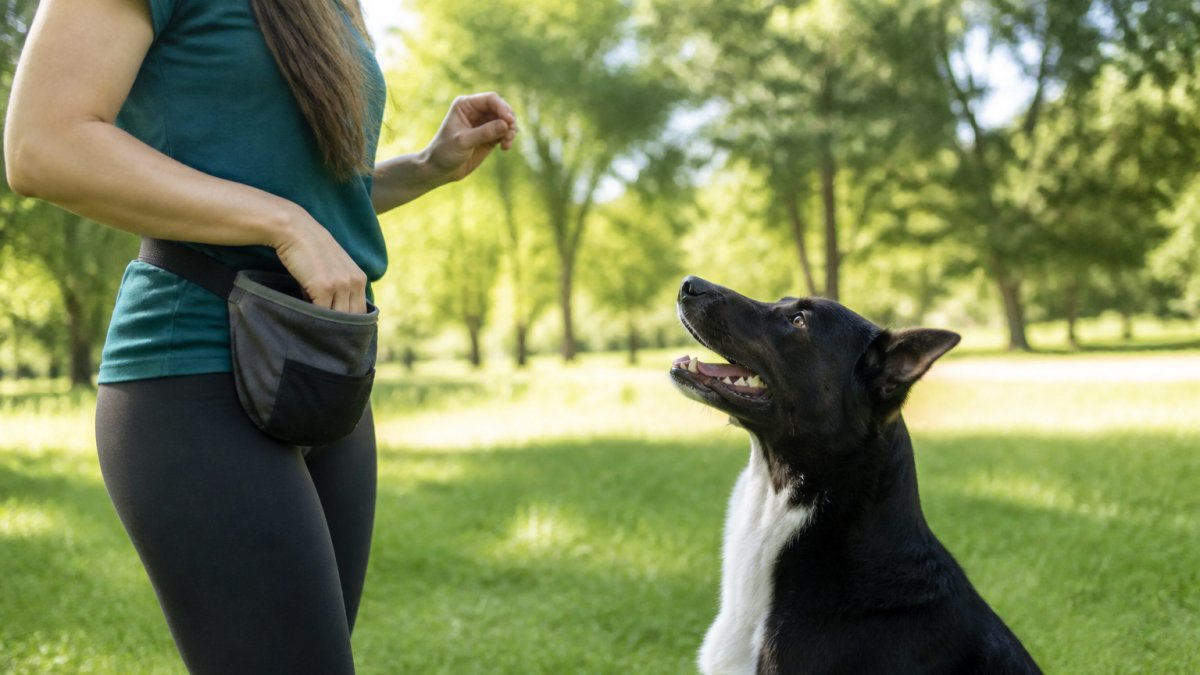
The best dog training treats used by professionals share three characteristics: they're small enough to deliver rapidly, they're soft enough to eat in one bite without chewing, and they're aromatic enough that the dog notices them immediately. Meat-based treats tick all three boxes.
Love Em Liver Training Treats: Bulk Supply for Frequent Sessions
If you're training multiple times per week or working with more than one dog, bulk becomes essential. Love Em Liver Training Treats come as a 5-pack multipack, each pack 200g, giving you a convenient supply that won't run out mid-session.
Love Em Liver Training Treats 200G 5Pk (Om5) →
Liver is a classic training treat for good reason: dogs find it genuinely rewarding, it's soft and easy to portion, and the smell carries enough that your dog knows a reward is coming. At $30.95 for the 5-pack, you're paying roughly $6.19 per 200g pack, which makes these economical for regular training.
The Australian-made format means consistent quality across packs. For owners running structured training programs, puppy classes, obedience work, or regular recall practice, this bulk format means you're never caught short during a session.
Love Em Kangaroo Training Treats: Novel Protein Alternative
Kangaroo offers something different for dogs that have become bored with standard flavours or that show sensitivity to more common proteins. Novel protein treats are particularly useful when you're introducing a new training protocol or when a dog has developed a preference for specific flavours.
The 5-pack multipack format delivers the same bulk convenience as the liver version at the same $30.95 price point. Kangaroo has a distinctive flavour profile, some dogs respond to it with more enthusiasm than chicken, others show less interest. It's worth trying if your dog has hit a plateau with standard treats or if you're managing a protein sensitivity.
LifeWise Reward Nibbles: Portable, Mess-Free Training
Training in public spaces, parks, beaches, café patios, creates a practical problem: treat residue on your hands, in your pockets, and on your clothes. LifeWise Reward Nibbles solve this by being dry, hard, and crunchy medallions of kangaroo sausage.
At $28.95 for 200g, these are positioned between budget options and premium single-ingredients. The trade-off is texture: these aren't soft treats. For active training in outdoor settings where mess matters, the portability advantage justifies the price.
When to Phase Out Treats in Dog Training: Transitioning Beyond Rewards
Most dog trainers use treats as a tool to build initial motivation, then gradually transition to other reward systems as the dog learns.
The transition typically begins once your dog reliably performs a command in familiar environments. You'll start using treats intermittently rather than every single repetition, rewarding on a variable schedule where sometimes a treat comes, sometimes praise or play does.
By 6-12 months of consistent training, most dogs can work primarily on praise, play, or life rewards (like access to the park or permission to chase a ball). Treats become occasional reinforcement rather than the primary motivator. The timeline varies based on the individual dog, the complexity of the behaviour, and how consistently you train.
Some owners worry that phasing out treats means losing control during training. A dog that responds to varied rewards, treats, praise, play, access, can be more reliable than one that only works for food.
Calorie Counts and Daily Treat Limits: Managing Nutrition
Treats should represent no more than 10% of your dog's total daily calorie intake. The remaining 90% should come from their regular meals. This rule helps prevent obesity and maintain your dog's interest in their main food.
Calculating this requires knowing both your dog's daily calorie requirement and the calorie content of the treats you're using. K9 Natural Freeze Dried Venison Liver provides clear data: 3 kcal per treat, or 3,706 kcal per kilogram. Most other treats on this list don't publish precise calorie counts.
If your dog requires 1,000 kcal daily, the 10% treat allowance gives you 100 kcal to work with, roughly 20-30 individual treats depending on type.
Love Em Liver Training Treats 200G 5Pk (Om5) →
Dogs prone to weight gain, senior dogs with lower activity levels, and dogs with metabolic conditions may need stricter treat limits. Conversely, highly active dogs in regular training may tolerate slightly higher treat percentages without weight gain. Adjust based on your dog's body condition: you should be able to feel their ribs without pressing hard, and they should have a visible waist when viewed from above.
Allergies, Sensitivities and Dietary Restrictions
Some dogs react poorly to common treat ingredients, making ingredient transparency essential. Dogs with chicken sensitivities may need alternatives like kangaroo or beef. Dogs with beef sensitivities can try chicken or venison.
K9 Natural Freeze Dried Venison Liver is a single-ingredient treat, which can be ideal for dogs with multiple sensitivities.
Black Dog Beef Liver Balls include flour as a binding agent, which means they may not be suitable for dogs with grain sensitivities.
When introducing a new treat to a dog with sensitivities, start with a small amount and observe for 24-48 hours. Watch for itching, digestive upset, or behavioural changes.
Finding the right dog training treats means matching the treat to your training goal, your dog's individual preferences, and your lifestyle. High-value single-ingredient options like K9 Natural Freeze Dried Venison Liver excel for serious training work.
Easy Pets stocks all these options with Australia-wide dispatch, so you're never waiting weeks for treats to arrive mid-training program. Browse our full range of dog training treats and find exactly what suits your dog's training needs.
Frequently Asked Questions
What makes a good dog training treat?
The best dog training treats are small, soft, and easy to swallow so your dog stays focused on learning rather than chewing. High-value rewards work best: meat-based treats or single-protein options like freeze-dried liver trigger stronger motivation than regular kibble. Treats should be sized to fit in a treat pouch and consumed in seconds, allowing rapid repetition during training sessions without overfeeding.
How small should training treats be?
Training treats should be bite-sized, roughly the size of a pea to a small marble depending on your dog's size. This size allows you to reward frequently without exceeding daily calorie limits. Soft, easy-to-eat treats like Love Em Liver or Black Dog Beef Liver Balls break apart naturally, making portion control straightforward. Small treats also reduce choking risk and keep your dog engaged rather than distracted by lengthy chewing.
When should I phase out treats during dog training?
Most trainers begin reducing treat frequency once your dog reliably responds to commands in familiar settings. Gradually replace food rewards with verbal praise, petting, or play over 2-4 weeks. For advanced training, use treats intermittently rather than every repetition, reward unpredictably to maintain motivation. Complete phase-out typically happens after 6-12 months of consistent training, though many owners keep high-value treats for occasional reinforcement or new commands.
Can I use my dog's regular food as training treats?
Standard kibble works for some dogs but often lacks the strong smell and taste that capture attention during training. High-value rewards like meat-based or freeze-dried treats generate faster, more reliable responses. If your dog is highly food-motivated, kibble can supplement training, but reserve premium options like kangaroo or venison for critical learning moments or when building new habits. Always count training treats toward your dog's daily calorie allowance.
How many treats can I give my dog during training?
Training treats should make up no more than 10% of your dog's daily calorie intake. For a 25 kg dog needing roughly 1,000 calories daily, that's about 100 calories from rewards. K9 Natural Freeze Dried Venison Liver contains 3 kcal per treat, so you could offer 30-35 treats per day without exceeding limits. Always check pack guidance and adjust meal portions to account for training rewards, preventing unhealthy weight gain.