

Last Updated: October 29, 2026
Quick Summary
The best dog food for itchy skin in Australia matches the diet to the cause, not the label. Choose a limited ingredient diet built on one novel protein, or a vet-supplied hydrolysed protein formula, since beef, dairy, chicken, wheat and lamb are the most common food allergens behind canine skin reactions.
- Fish or a single novel protein reduces the odds of triggering an immune response in itchy dogs.
- Hypoallergenic has no strict regulatory definition on pet food labels, so the word alone guarantees nothing.
- Run an elimination trial for eight to twelve weeks with no other food before judging a diet.
- Switch foods over seven to ten days, starting with roughly a quarter new food.
- Black Hawk at $16.58/kg is the cheapest per kilogram in our comparison table.
Table of Contents
- How to Choose the Best Dog Food for Itchy Skin
- Quick Comparison: Sensitive-Skin Dog Foods Side by Side
- What Causes Itchy Skin in Dogs
- Best Hypoallergenic Dog Food Options in the Easy Pets Range
- Dog Food for Skin Allergies: Prescription vs Over-the-Counter
- Hydrolysed Protein Dog Food and Novel Proteins Explained
- How to Tell if a Dog Is Allergic to Chicken
- Omega-3, Skin Barrier Support and Treats That Help
- Transitioning an Itchy Dog to a New Food Without a Flare-Up
- Seasonal Allergies and Environmental Support
- Budget-Friendly vs Premium: What You Actually Pay
- Common Mistakes Owners Make
- Where to Start
- Frequently Asked Questions
How to Choose the Best Dog Food for Itchy Skin
Finding the best dog food for itchy skin in Australia starts with one rule: match the diet to the cause, not the label.
Below, we break down what causes itch, compare sensitive-skin diets, and explain how to run a proper feeding trial.
Three things decide whether a food suits an itchy dog:
- Protein source. Fish or a single novel protein reduces the odds of triggering an immune response.
- Gut support. Probiotics and prebiotics help, because digestive sensitivity and skin issues often travel together.
- Omega-3 content. Fish oil supports skin barrier function and coat health.
Watch out: "hypoallergenic" has no strict regulatory definition on pet food labels, so the word alone guarantees nothing.
Quick Comparison: Sensitive-Skin Dog Foods Side by Side
Price on the shelf tells you little about what a sensitive-skin diet costs to feed. A 12kg bag at $198.95 looks expensive next to a 2.5kg bag at $66.95, but the larger bag can work out cheaper per kilogram, and a smaller bag can make sense if you are still trialling whether the protein suits your dog.
| Product | Price | Main Protein | Pack Size | Cost per kg | Indicative daily cost* | Best For |
|---|---|---|---|---|---|---|
| LifeWise BIOTIC Skin Fish with Rice, Oats and Vegetables | $66.95 | Fish | 2.5kg | $26.78/kg | ~$1.07-$2.14 | Smaller dogs, first trial |
| Black Hawk Healthy Benefits Sensitive Skin and Gut | $198.95 | Fish oil fortified | 12kg | $16.58/kg | ~$0.66-$1.33 | Multi-dog homes |
| Pro Plan Sensitive Skin & Stomach, Small & Toy Breed | $154.95 | Poultry-based | 7kg | $22.14/kg | ~$0.89-$1.77 | Small and toy breeds |
| Pro Plan Sensitive Skin & Stomach, Medium & Large Breed | $70.95 | Poultry-based | 3kg | $23.65/kg | ~$0.95-$1.89 | Larger dogs, trial size |
| Hill's Adult Sensitive Stomach & Skin | $337.95 | Chicken-based | 12kg | $28.16/kg | ~$1.13-$2.25 | Vet-recommended everyday feeding |
*Indicative daily cost assumes a 10kg dog eating roughly 100-200g per day; adjust for your dog's weight and feeding guide. These are estimates only, not a substitute for the pack feeding guide.
What the numbers actually tell you
- Cost per kilogram is the honest comparison. Black Hawk at $16.58/kg is the cheapest per kilogram here, which is why it suits multi-dog households. Hill's at $28.16/kg is the most expensive here.
- Trial bags cost more per kilogram but less in total. The 2.5kg LifeWise and 3kg Pro Plan bags limit waste if the food does not suit your dog. Spending $66.95 to find out a diet fails is cheaper than spending $198.95 to learn the same thing.
- Protein base matters more than price tier. A premium chicken-based formula is the wrong buy for a dog with a suspected chicken allergy. Match the protein first, then compare cost.
Matching the product to the scenario
- First trial, small dog: LifeWise BIOTIC Skin 2.5kg. Low upfront cost, single fish protein, easy to abandon if it fails.
- Confirmed fish tolerance, multiple dogs: Black Hawk Healthy Benefits Sensitive Skin and Gut 12kg. Best cost per kilogram here, with probiotics and fish oil built in.
- Small or toy breed already on Pro Plan: the 7kg Pro Plan Sensitive Skin & Stomach bag is the practical everyday option, though it is poultry-based and unsuitable if chicken is the suspected trigger.
If you are unsure which protein to start with, our guide to hydrolysed protein and novel proteins below explains how to choose between a single novel protein and a vet-supplied hydrolysed diet.
What Causes Itchy Skin in Dogs
Itchy skin in dogs usually comes from one of three places: food sensitivity, environmental allergens, or a secondary problem such as yeast overgrowth or a skin infection. Pruritus, the medical term for that persistent itch, is the symptom, not the diagnosis, treating the wrong cause wastes months.
Food Allergies vs Environmental Allergies
Food-related reactions tend to cause year-round itching, often around the feet, abdomen, face and anal area, and frequently come with gastrointestinal signs. Environmental allergies, including atopic dermatitis triggered by pollen, grass or dust mites, usually flare with the seasons.
If your dog scratches constantly regardless of the weather, food is the more likely suspect. In the meantime, a gentle medicated wash such as Paw By Blackmores Mediderm Gentle Medicated Shampoo For Dogs 200ml can ease discomfort while you work out the cause.
Best Hypoallergenic Dog Food Options in the Easy Pets Range
The best hypoallergenic dog food is one built around a protein your dog has not eaten before, or one where the protein has been broken down so the immune system stops recognising it. Here are the options we stock, with honest trade-offs.
LifeWise BIOTIC Skin Fish with Rice, Oats and Vegetables
Our pick for a first elimination trial. LifeWise BIOTIC Skin uses fish as its protein base, with rice, oats and vegetables in controlled ratios, designed to promote diversity in the gut microbiome. Omega-rich fish supports skin and coat condition.
Best for: smaller dogs and owners starting a dietary trial. Skip if: your dog has already reacted to fish-based diets.
Black Hawk Healthy Benefits Sensitive Skin and Gut
Developed by animal nutritionists and vets, this formula is fortified with probiotics and prebiotics for balanced gut flora, and fish oil supplies natural omega-3. The highly digestible recipe also targets stool quality, which matters when digestive sensitivity accompanies the itch.
Best for: multi-dog homes wanting one sensitive-skin formula. Skip if: you need a small trial bag before committing.
Pro Plan Sensitive Skin & Stomach and Hill's Sensitive Stomach & Skin
Pro Plan's Sensitive Skin & Stomach range comes in two sizes: a 7kg small and toy breed bag at $154.95, and a 3kg medium and large breed bag at $70.95. Both are everyday dry foods from a brand Australian owners know well. Hill's Adult Sensitive Stomach & Skin, $337.95 for 12kg, is the premium end of the shelf and a name vets reach for often.
Best for: owners who want a familiar brand with a sensitive-skin formula. Skip if: your dog has a diagnosed chicken allergy, since these formulas are poultry-based.
Dog Food for Skin Allergies: Prescription vs Over-the-Counter
Prescription hydrolysed diets are commonly used for confirmed food allergies, and a vet can advise which approach suits your dog. Over-the-counter sensitive-skin foods sit a step below: useful for mild sensitivities, but not a substitute for a proper diagnosis.
The practical difference comes down to protein size. Hydrolysed diets break proteins into smaller fragments. Over-the-counter options rely on less common proteins instead.
| Option | Protein Approach | Suits | Cost |
|---|---|---|---|
| Prescription hydrolysed | Protein broken into fragments | Diagnosed allergies | Higher, vet-supplied |
| Novel protein diets | Single uncommon protein | Suspected sensitivities | Moderate |
| Standard sensitive-skin food | Fish or poultry base, added omega-3 | Mild, everyday support | Lower |
Hydrolysed Protein Dog Food and Novel Proteins Explained
Hydrolysed protein dog food is made by breaking whole proteins into smaller pieces so the immune system no longer flags them as a threat.
Neither approach works if you keep topping up the bowl with treats containing the old protein. Allergen-free means nothing extra passes the lips during the trial, including table scraps and flavoured chews.
If you are weighing local sourcing, our guide on whether Australian-made pet foods are actually better for pets covers what the label claims really mean.
How to Tell if a Dog Is Allergic to Chicken
You cannot confirm a chicken allergy from symptoms alone.
LifeWise BIOTIC Skin Fish with Rice, Oats and Vegetables Dry Dog Food 2.5kg →
Chicken sits among the five most common dog allergens in this region, alongside beef, dairy, wheat and lamb, per PMC's allergen research. Signs to track during a trial include scratching at the ears and paws, recurrent hot spots, and yeast overgrowth in skin folds.
Keep a simple daily log:
- Note scratching intensity each morning and evening
- Photograph any hot spots weekly
- Record every treat, scrap and supplement given
Watch out: a single sneaky treat during the trial resets the clock. If family members feed from the table, tell them first.
Omega-3, Skin Barrier Support and Treats That Help
Omega-3 fatty acids are commonly included in sensitive-skin formulas, and fish oil is a common source of them.
For extra support alongside a sensitive-skin diet, we stock several options:
- Paw Coat Skin Nails Multivitamin Chews For Dogs 300g for daily skin nutrients
- Paw Sensitive Skin Conditioner 500ml to soothe skin between washes
- Meaty Treaty Freeze Dried Australian Whole Sardines Cat Dog Treats 100g, a single-ingredient fish treat that suits most elimination trials
PAW Dermega Omega Oil Skin Support capsules supply 66.1mg EPA and 41.3mg DHA per capsule, with dosing by weight. Vetalogica Hemp Clinicals Skin and Coat Dog Treats are a treat-format option at $38.95.
Transitioning an Itchy Dog to a New Food Without a Flare-Up
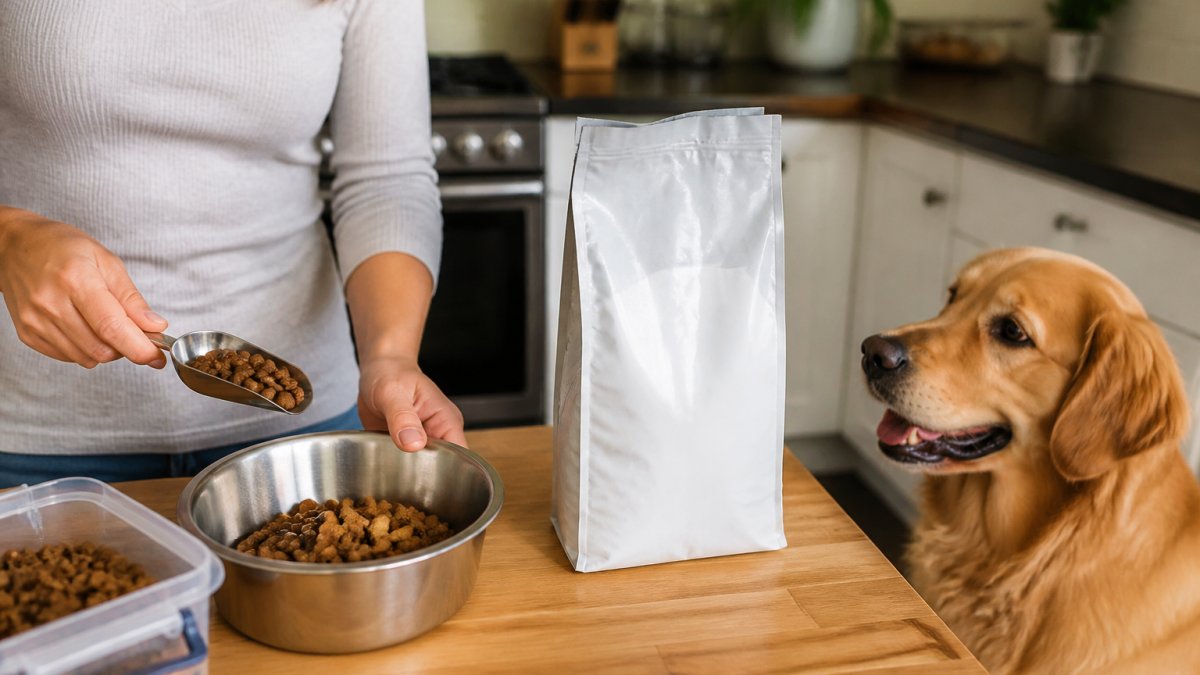
Switch foods over seven to ten days, not overnight. Start with roughly a quarter new food to three quarters old, and increase the new portion every two to three days. A slow transition protects digestive health and makes it easier to spot a genuine reaction rather than a upset stomach from sudden change.
Watch out: if itching worsens sharply during the switch, stop and speak to your vet before continuing.
Seasonal Allergies and Environmental Support
Dogs often itch more in seasons when pollen levels are higher. Dietary changes do not prevent a pollen reaction on their own. Wiping paws after walks, washing bedding weekly, and keeping lawns short all reduce exposure.
Environmental enrichment matters too. A bored dog licks and scratches more. Puzzle feeders, scent games and regular walks redirect that energy and reduce the secondary damage from constant chewing.
Budget-Friendly vs Premium: What You Actually Pay
Managing an itchy dog is a long game, and the food bill is only one line in it. Most owners focus on the sticker price and miss the bigger costs: wasted trial food, repeat vet visits, medicated shampoos, supplements and months of feeding the wrong diet. Here is what you actually pay over a realistic trial period, and where to spend and where to save.
The real cost of a food trial
A proper elimination trial runs eight to twelve weeks. For a 10kg dog eating roughly 150g per day, that is about 8.4kg of food over eight weeks. Here is what that looks like across the range:
| Approach | Food cost over 8 weeks* | Notes |
|---|---|---|
| Budget trial bag (LifeWise 2.5kg, repeat buys) | ~$225 | Higher per kg, but no large upfront commitment |
| Mid-range 12kg bag (Black Hawk) | ~$140 | Cheapest per kg; leftover food if trial fails |
| Premium 12kg bag (Hill's) | ~$237 | Highest per kg; vet-channel formula |
| Prescription hydrolysed diet | Vet-quoted, typically higher than premium retail | Includes veterinary supervision |
*Estimates based on the pack sizes and prices in the comparison table above, assuming a 10kg dog at 150g per day. Adjust for your dog's weight and the pack feeding guide.
Note that the cheapest bag per kilogram is not always the cheapest trial. If a $198.95 bag of Black Hawk fails at week three, you have spent $198.95 and still need the next diet.
Where the hidden costs sit
- Wasted food from failed trials. Every abandoned 12kg bag is money gone. Budget for two to three small trial bags before committing to a bulk buy.
- Treats and chews. A trial is only valid if every treat matches the trial protein. Single-ingredient treats can cost more per gram but help keep a trial consistent.
- Supplements. Omega-3 capsules and skin-support chews add to the monthly bill. Worth it if the diet alone is not holding the skin barrier, but not a substitute for getting the protein right.
Budget-friendly strategies that do not compromise the trial
- Buy the smallest trial size first. The 2.5kg LifeWise and 3kg Pro Plan bags exist for exactly this purpose.
- Compare cost per kilogram, not sticker price. A 12kg bag at $198.95 is $16.58/kg; a 2.5kg bag at $66.95 is $26.78/kg. The larger bag wins on unit cost, but only once you know the food works.
- Do not chase every 'sensitive skin' label. Some standard adult formulas with a single protein and added fish oil may suit a dog at a lower price. Check the guaranteed analysis, not the marketing.
Premium vs budget: when each makes sense
Premium pricing does not guarantee results, so the protein suitability for your dog matters more than the price tier. A premium chicken-based formula is the wrong buy for a dog with a suspected chicken allergy.
If you are weighing local sourcing against imported premium brands, our guide on whether Australian-made pet foods are actually better for pets covers what the label claims really mean.
Common Mistakes Owners Make
Three errors show up again and again. Feeding a "sensitive skin" food while continuing ordinary treats. Changing diets every fortnight before any trial has time to work. And assuming a grain-free label means allergy-safe, when the protein source is usually the real trigger.
Where to Start
If your dog is scratching, start with a vet visit to rule out infection and confirm whether food is the cause. Then choose a single-protein diet, transition slowly, and give it eight weeks. Browse our full sensitive-skin dog food range at Easy Pets and add to cart with fast dispatch Australia-wide.
Frequently Asked Questions
What's the best food for a dog with skin allergies?
There is no single best food, because the right pick depends on whether your dog has a diagnosed allergy or general sensitivity. For diagnosed food allergies, vets typically start with a hydrolysed protein diet such as a veterinary prescription formula, or a novel protein elimination trial. For everyday sensitive skin, a complete diet with omega-rich fish oil and added probiotics, like Black Hawk Healthy Benefits Sensitive Skin and Gut, supports coat and gut health. Always confirm the approach with your vet before switching.
How can I tell if my dog is allergic to chicken?
Chicken is one of the most common food allergens in dogs, alongside beef, dairy, wheat and lamb. Signs include persistent itching around the feet, face, ears and abdomen, plus recurring ear infections, hot spots or digestive upset. The only reliable way to confirm it is an elimination diet trial: feed a hydrolysed or novel protein diet with no chicken for 8 to 12 weeks, then reintroduce chicken and watch for a reaction. Your vet can guide the trial and rule out environmental allergies.
How long does a dog need to eat a hypoallergenic diet before it helps?
Most veterinary guidance allows 8 to 12 weeks on a strict elimination diet before judging results, because skin and gut recovery takes time and the allergen must clear the system. Keep the diet exclusive, including treats, chews and table scraps, or the trial will not be valid. Take photos of affected areas at the start so you can compare progress objectively. If itching has not improved by week 12, your vet will likely look at environmental allergens or other causes.
Can changing my dog's food help with itchy skin?
It can, if food is part of the problem. Food-related itching is less common than environmental triggers like grass pollen, but when it is present, a hydrolysed protein dog food or a limited ingredient diet is one option to discuss with your vet. Omega-3 supplements such as PAW by Blackmores Dermega capsules are another product you can ask your vet about. If itching persists after a proper trial, ask your vet about atopic dermatitis and seasonal allergy management.
What ingredients should I avoid in dog food for skin allergies?
Avoid the proteins your dog has reacted to, which commonly means beef, dairy, chicken, wheat and lamb. Be cautious with the word hypoallergenic on packaging, because there is no strict regulatory definition for it in pet food, so it does not guarantee suitability for a severe allergy. Check the full ingredient list for hidden proteins and keep treats consistent with the main diet during any trial. Your vet can confirm which ingredients to exclude based on your dog's history.
Itchy skin rarely resolves overnight, and guessing at causes costs both money and comfort. Easy Pets stocks sensitive-skin diets, omega supplements and soothing topical products from trusted Australian suppliers, with honest product information and personal handling of every order. Get started with Easy Pets and build a feeding plan your dog's skin can actually settle into.
