

Quick Summary
To feed your cat well, start with its daily calorie needs, which depend on weight, life stage, activity and whether it is neutered. Then set portions to match, count wet and dry food together, and adjust every few weeks by checking body condition.
- Estimate daily calorie needs from current weight, body condition and whether your cat is indoor or outdoor.
- Purina Friskies Adult Meaty Grills lists about 30 g a day for a 2 kg cat and 95 g for a 6 kg cat.
- Count calories from wet food too, since a small pouch can be calorie-dense.
- Pick a feeding frequency, such as two meals a day, and keep it for several weeks before changing.
- Check body condition every two to four weeks and change portions by about 5 to 10 percent at a time.
Table of Contents
Why Portion Size Matters More Than the Bag Suggests
Most cat owners reach for the scoop on the bag and tip in what looks right when they want to feed your cat well. That number is a starting point, not a verdict on your cat. Portion size is one of the biggest levers you have over your cat's weight, energy and long-term health, and the printed guide rarely accounts for whether your cat is a lazy indoor pet or a busy kitten.
Many owners ask how much to feed their cat. The answer depends on your cat's weight, age, activity and whether the food is dry, wet or both. This guide walks through five steps to work it out with confidence.
Eating a little more than needed, day after day, adds up fast.
Step 1: Work Out Your Cat's Daily Calorie Needs
Your cat's daily calorie need is the foundation of every portion decision. Calories depend on body weight, life stage, activity and whether your cat is spayed or neutered. Start with your cat's current weight and a rough sense of how active they are, since that is the first step to feed your cat correctly.
Using a Cat Feeding Calculator
A cat feeding calculator is the quickest way to get a working estimate.
- Enter your cat's current weight in kilograms.
- Estimate body condition, from very thin to overweight.
- Note whether your cat is an indoor or outdoor cat.
- Check the result against the feeding guide on your food pack.
Treat any calculator result as a starting estimate. Watch your cat's weight over the next four weeks and adjust from there.
Step 2: Set Portions by Body Weight and Life Stage
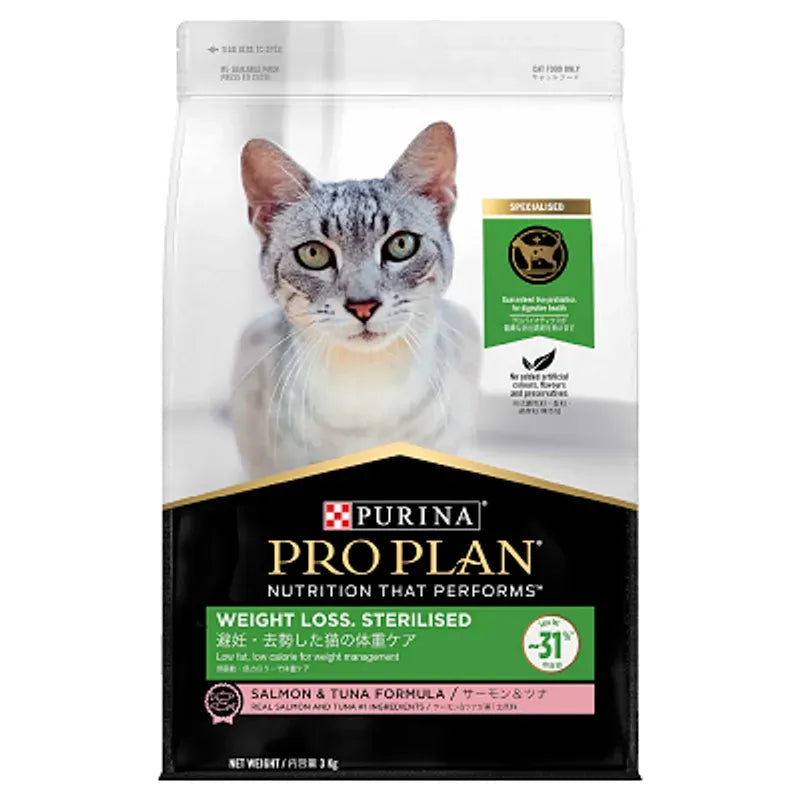
Once you have a rough calorie figure, match it to the food you use. Packaged guidance on dry food is usually given by weight. For example, Purina Friskies Adult Meaty Grills lists daily feeding from about 30 g for a 2 kg cat to about 95 g for a 6 kg cat. Use that as a guide, then adjust for your cat's condition.
Life stage changes the numbers. Kittens need more energy per kilogram, while senior cats often need fewer calories as they become less active. Neutered cats tend to need fewer calories than intact cats of the same weight.
Step 3: Calculate Wet Food Portions in Mixed Feeding
Many owners feed a mix of dry and wet food. The trick is to count the calories from both, not just the scoop. Wet food is often more calorie-dense per gram than dry food, so a small pouch can make a real difference.
- Work out the calories your cat needs each day.
- Set aside a share for the wet food, usually one part of the day's total.
- Read the calorie count on the wet food pack and divide accordingly.
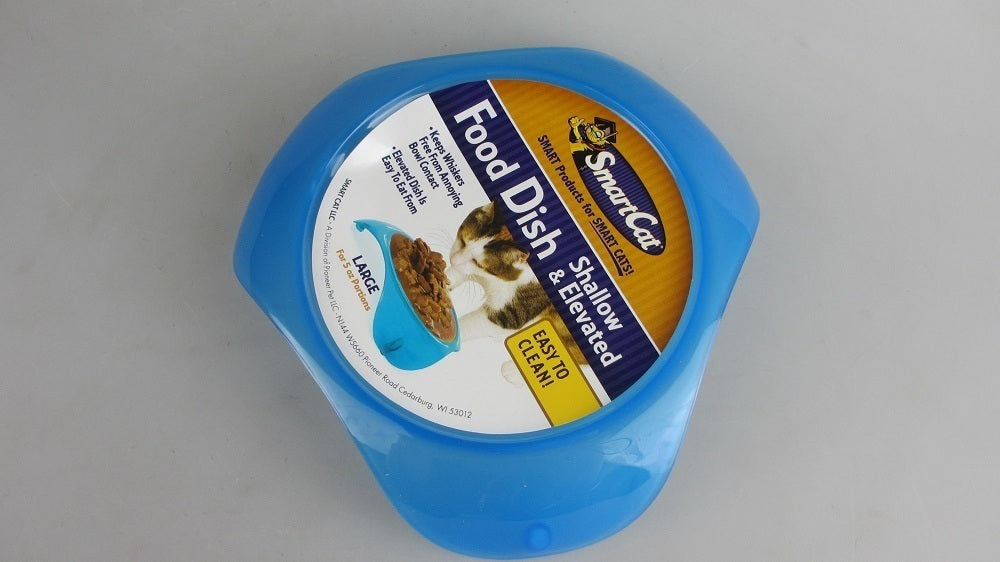
- Measure the wet food with a fixed dish so each serving is the same.
Pro Plan Adult Cat Chicken Pouches come as a 12 pack of 85 g pouches. Plan for these pouches as part of your daily calorie total, not an extra on top of it.
Step 4: Choose a Feeding Frequency That Suits Your Cat
How often you feed matters as much as how much. The guidance is not uniform.
-
Two meals a day: A simple, common routine that suits most households.
-
One larger meal a day: Can help some indoor cats feel satisfied, according to the Guelph research.
-
Several small meals: Useful for kittens or cats that need regular, smaller feeds.
Pick a schedule you can keep, and stick to it for several weeks before changing it.
Step 5: Check Body Condition and Adjust Portions
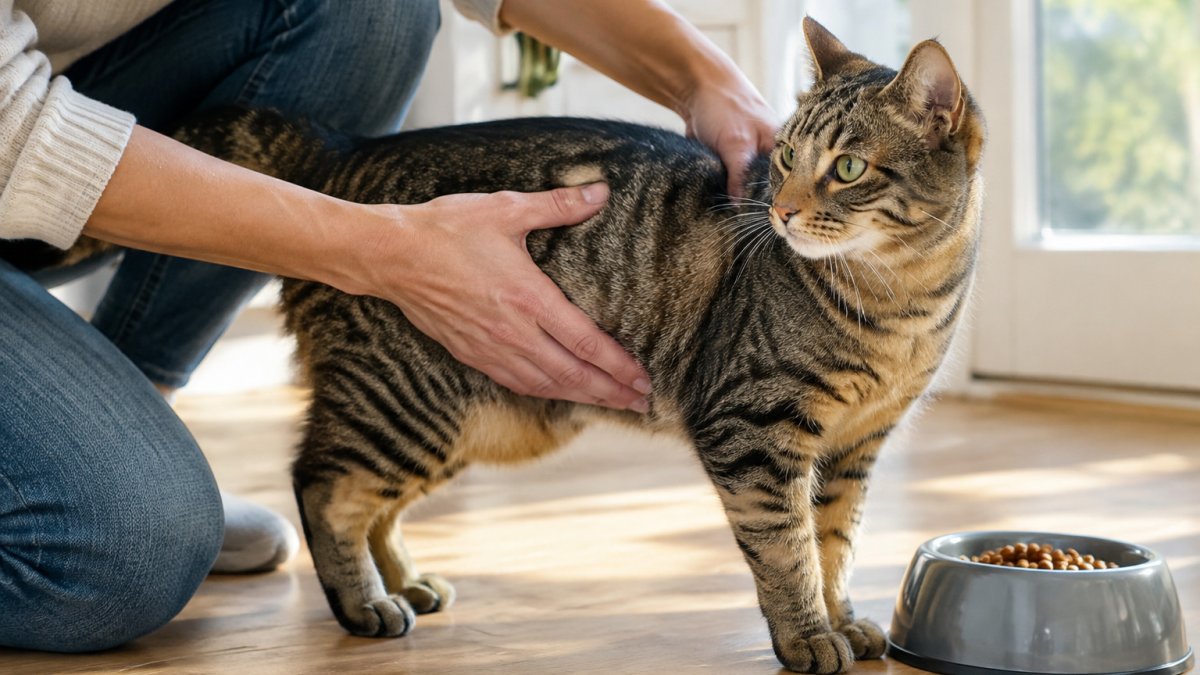
Weight alone does not tell you whether the portion is right. Body condition score looks at fat cover and muscle. Run your hands along your cat's sides. You should feel the ribs easily without seeing them, and there should be a visible waist behind the ribs when you look from above.
- Too thin: Ribs and spine are easy to see. Increase portions slightly.
- Ideal: Ribs feel covered but not padded, with a clear waist.
- Overweight: Ribs are hard to feel and the belly sags. Reduce portions and add more play.
Check every two to four weeks. Make small changes, about 5 to 10 percent at a time, and track the result. Weight loss in cats should be gradual, so talk to your vet before any large change.
Start Your Cat's Feeding Plan with Easy Pets
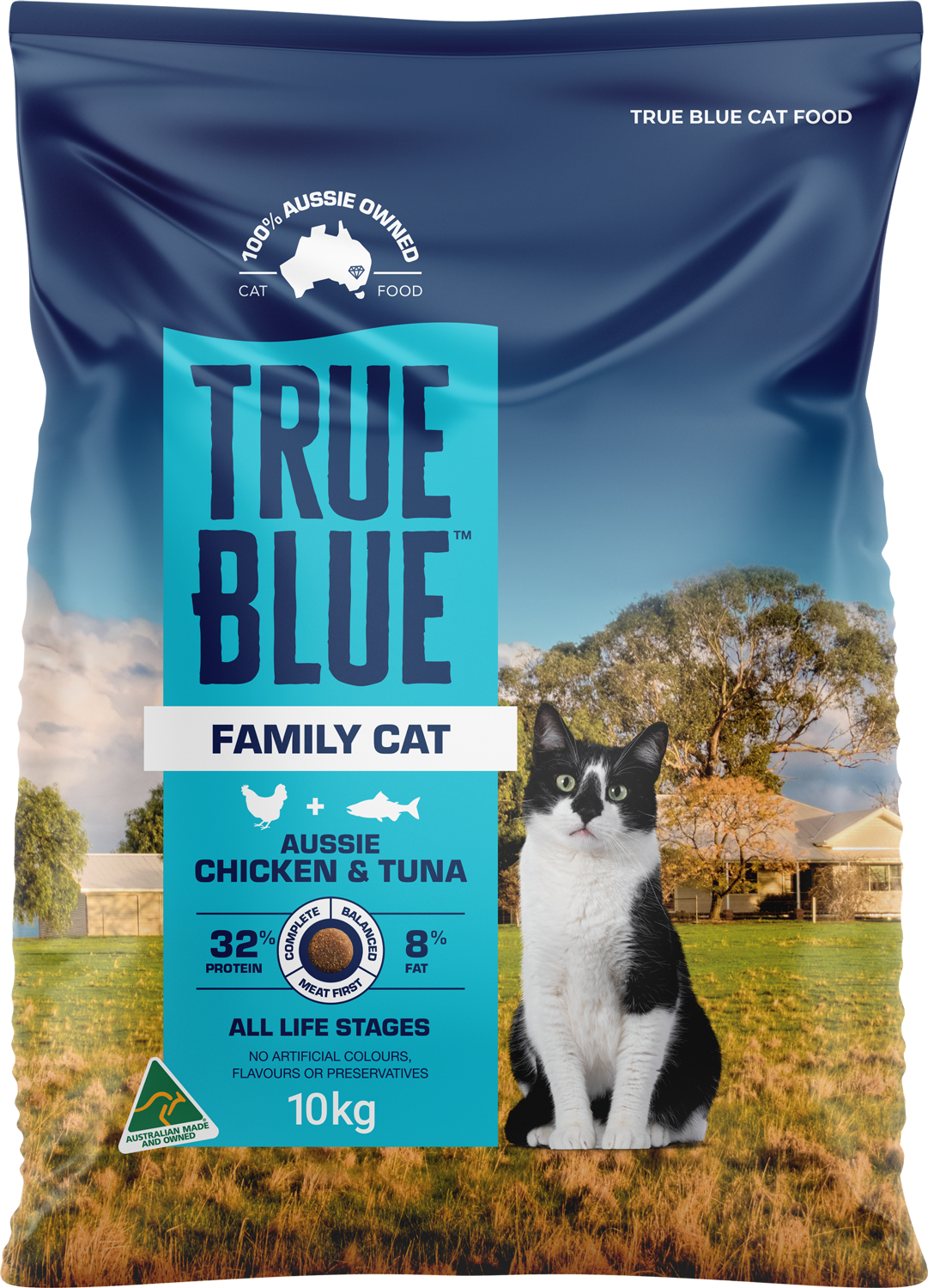
A clear portion plan takes the guesswork out of feeding. Start with a calculator estimate, set portions by weight and life stage, measure wet and dry food together, pick a frequency you can keep, and check body condition regularly. Easy Pets stocks the True Blue Family Cat Aussie Chicken & Tuna 10kg at $58.95, and we are happy to help you choose the right option for your cat.
Frequently Asked Questions
How much food should I feed my cat each day?
Most adult cats need roughly 200 to 250 kilocalories a day, but the exact amount depends on weight, activity and whether the cat is neutered. Start with the feeding guide on the packet, then check the cat's weight and body condition after two to three weeks. If the cat is gaining weight, reduce portions slightly; if it is losing weight or seems hungry all the time, increase them. Your vet can give a precise target for your cat.
How much should I feed my cat by weight?
A typical adult cat of around 4 kg needs a daily amount that roughly matches its energy requirement, and heavier cats need proportionally more. For example, a 2 kg cat may eat about 30 g of Purina Friskies Adult Meaty Grills dry food a day, while a 6 kg cat needs about 95 g. Use the packet guide as a starting point, then adjust using body condition rather than weight alone.
How much wet food should I feed my cat if I mix it with dry food?
When mixing, work out the total calories first, then split them between the two foods. Each pouch of Pro Plan Adult Cat Chicken 85g holds a fixed number of calories, so count how many pouches replace part of the dry food. Reduce the dry food portion by the calories the wet food supplies. Weigh the dry food with kitchen scales where possible, as cup measures vary widely.
Do kittens need more food than adult cats?
Yes. Kittens need considerably more energy per kilogram of body weight because they are growing, and they usually need several small meals a day. Move to adult portions gradually, typically around 12 months of age, and check with your vet if you are unsure. Always use a food labelled for the right life stage.
